Ask people who’ve stuck with CPAP what made it click, and most say the same thing: the mask. The machine matters, but the mask is what touches your face all night. Get it right and you forget you’re wearing it. Get it wrong and you’ll fight it. So let’s find the one that’s right for you. There are three main mask styles. None is “the best.” The best mask is the one that fits your face and matches how you breathe and sleep.
Nasal masks
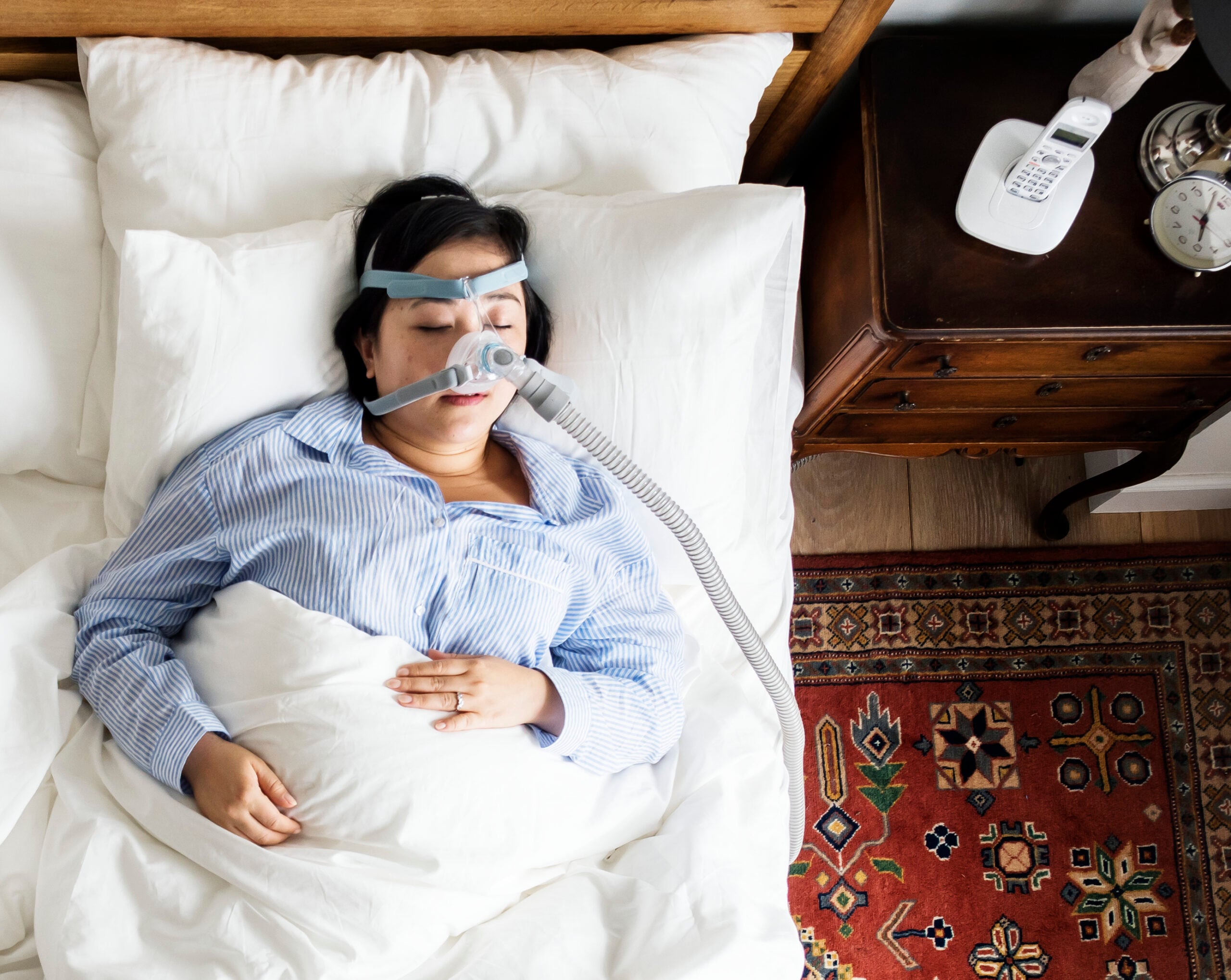
A nasal mask is a small triangular cushion that covers your nose. It’s a popular middle ground choice, secure but not bulky, and it delivers a natural airflow that handles higher pressures well. It suits people who breathe through their nose. Fisher & Paykel’s nasal options, like the Eson and the Nova, are built around this style, with cushions that flex as you move.
The catch: if you breathe through your mouth, air can escape and make therapy less effective unless you add a chin strap or switch styles.
Nasal pillow masks
Nasal pillows are the most minimal option. Instead of covering the nose, two soft tips rest gently at your nostrils, so there’s very little on your face. People love them because they feel light, they leave your view clear for reading or TV, and they work well for anyone who feels boxed in by bigger masks. They’re also friendly to beards and mustaches, since there’s less surface trying to seal. Fisher & Paykel’s Brevida and Solo and ResMed’s AirFit P-series are well-known examples.
The trade-off: at higher pressures, that direct airflow into the nostrils can feel intense, and pillows aren’t ideal if your nose is often stuffy.
Full face masks
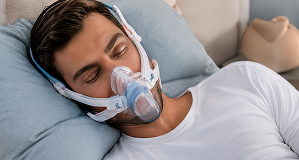
A full face mask covers both your nose and mouth. It’s the go-to for mouth breathers and for anyone who gets congested and needs a backup way to breathe. Because it seals over a larger area, it keeps working even if your mouth falls open while you sleep. Modern designs are more comfortable than they used to be. Fisher & Paykel’s Vitera, for example, uses a cushion that rolls and adjusts as you shift position, with breathable headgear meant to cut down on that hot, sweaty feeling. ResMed’s AirFit F-series is another widely used option.
The trade-off is size. There’s more mask on your face, which can feel like a lot if you’re claustrophobic, and more surface means more places a leak can start if the fit isn’t right.
A quick note on brands and one popular design
Most masks you’ll come across are made by ResMed, Fisher & Paykel, or Philips Respironics. Even though Philips Respironics isn’t selling new CPAP machines in the US right now, their masks and accessories are still available here, including the well-liked DreamWear line, where the tube connects at the top of your head instead of in front of your face. That top of-head connection is a favorite among active sleepers who don’t want a hose in the way. It’s a good reminder that mask preference is personal, and there’s a lot of variety to choose from.
Start with two honest questions.
Do you breathe through your nose or your mouth at night? Confirmed mouth breather? Lean toward a full face mask, or pair a nasal option with a chin strap. Breathe cleanly through your nose? Nasal and pillow masks are open to you.
How do you feel about stuff on your face? If less is more, pillows win. If you want a bit more security over the nose, go nasal. If you need full coverage or run congested, full face is your friend.
A few more things that quietly make or break comfort:
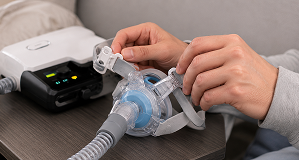
Two people with the same mask can have completely different experiences because one is wearing the wrong size. Most masks come in small, medium, and large cushions, and the right size isn’t always the one you’d guess. Many brands now offer sizing guides and phone apps that measure your face to recommend a fit, which takes out most of the guesswork.
When you first put a mask on, tighten it only as much as you need to stop leaks, not as far as it will go. Overtightening is the number one rookie mistake. It creates pressure marks and, oddly, more leaks. A good seal comes from the right size and gentle, even tension, not brute force.
Masks are personal, and it’s normal to try more than one before you find your match. Cushions and headgear also wear out and need replacing, so keeping fresh parts on hand is part of comfortable therapy. In the US, masks are prescription items, so you’ll need a valid prescription on file when you order.
The right mask turns CPAP from a chore into just another part of getting ready for bed. Take the time to find yours. It’s the single biggest step toward therapy that actually works for you.