Your CPAP pushes warm, moist air into your airway for hours every night. That’s exactly what you want for sleep. It’s also a perfect home for bacteria, mold, and grime if you never clean it. The good news: keeping your gear in great shape is quick, cheap, and easy once it’s a habit. Here’s the whole routine, from daily wipe-downs to when to swap out worn parts.
Every night, your mask and hose collect skin oils, sweat, dust, and moisture from your breath. Add a warm humidifier to the mix and germs are happy to move in. A neglected CPAP can start to smell, can trigger a stuffy nose or sore throat, and in the worst cases can make you sick. A few minutes of upkeep prevents all of that, and it keeps your equipment performing like the day you got it.
This takes about five minutes and makes the biggest difference.
Wipe the mask cushion. Each morning, wipe it with a damp cloth or a fragrance-free wipe to clear off the oils and sweat from the night.
Empty the humidifier. Pour out any leftover water every morning instead of letting it sit all day. Refill with fresh distilled water before bed.
That’s it for the everyday habit.
Once a week, give everything a proper wash:
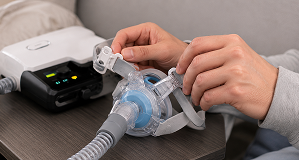
Mask, cushion, and headgear. Take the mask apart and wash the pieces in warm water with a mild, fragrance-free soap. Rinse well and let them air dry on a towel, away from direct sunlight.
Hose (tubing). Swish warm soapy water through the tube, rinse it thoroughly, and hang it to drip dry. A shower rod or a door works well.
Humidifier chamber. Wash it with warm soapy water and rinse. Many chambers are dishwasher safe on the top rack, but check your manual first. Some manufacturers suggest an occasional soak in a mix of water and white vinegar to handle buildup.
Distilled water is worth the small cost, since tap water leaves mineral deposits in the chamber over time.
Cleaning keeps parts working, but nothing lasts forever. Cushions lose their seal, filters clog, and tubing wears out. Replacing them on time is what keeps therapy comfortable and effective. General timing looks roughly like this, though your device manual and your insurance schedule have the final say:
Keeping a few spares on hand means you’re never stuck using a worn-out part, and swapping parts on schedule is a big part of what keeps everything feeling like new.
You’ve probably seen the ads for machines that promise to sanitize your whole CPAP automatically, no scrubbing required. Some use ozone gas, some use UV light. They look convenient, but here’s the catch: the FDA has not approved or cleared any of these devices to clean CPAP equipment. That means the agency hasn’t confirmed they work or that they’re safe for this use.
Ozone is the bigger concern. It’s a gas that can be harmful to breathe, and the FDA has received reports from users who developed problems like asthma attacks, headaches, and breathlessness after using ozone-based cleaners, likely from leftover gas lingering in the mask and tubing. There’s also no solid evidence these gadgets clean better than a simple wash.
The bottom line: soap and water do the job safely, and it’s the method the FDA, the CDC, and the device manufacturers all recommend. If you want an add-on to reduce germs, only use one that’s specifically FDA-authorized for CPAP, and keep washing with soap and water as your foundation.
Maintaining your CPAP is genuinely simple. A quick daily wipe, a weekly wash, fresh distilled water, and replacing parts on schedule will keep your equipment clean, safe, and working like new. Skip the pricey ozone machines. Your sink and a bar of mild soap have you covered.